


Sea Salt
Sea salt is a natural type of salt obtained when the salts dissolved in seawater crystallize through evaporation. Salt crystals form mainly in coastal areas with a suitable climate, where sun and wind concentrate the water.
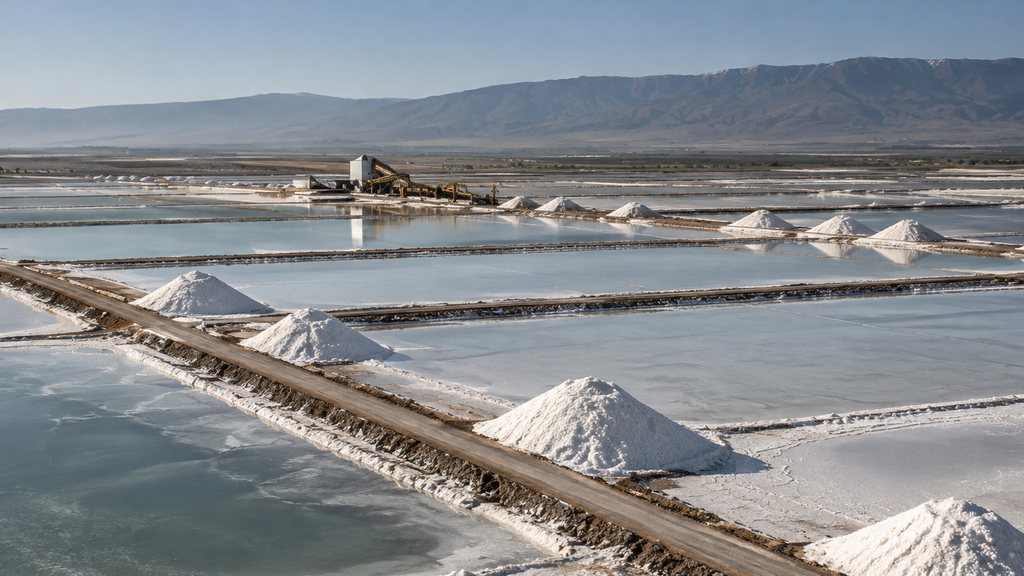
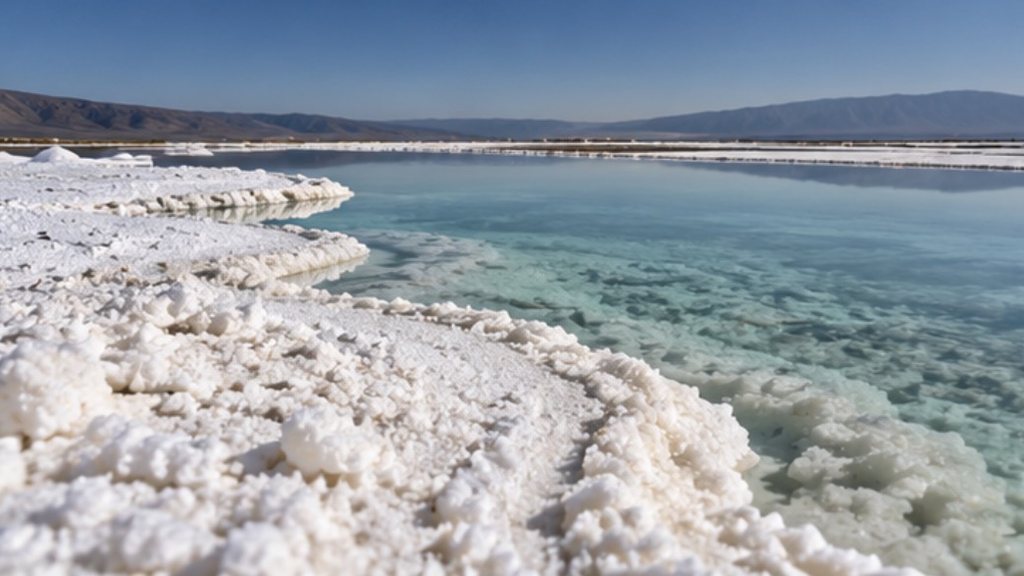
Seawater contains various minerals and dissolved salts. As evaporation progresses, the salinity of the water rises and, under suitable conditions, sodium chloride begins to crystallize.
The properties of sea salt can vary with the composition of the source water, the crystallization conditions and the processing applied afterwards.
Depending on its intended use, the harvested salt may be washed, screened, dried or put through other processing steps.
Properties such as grain size, sodium chloride content, moisture, calcium, magnesium and insoluble matter are important when assessing which applications a product is suitable for.
Although sea salt can be used in various food and industrial applications, it should not be assumed that every sea salt product is suitable for every use. Product selection should be based on the relevant technical specification and analysis results.
How Does Sea Salt Form?
In salt works, seawater passes in turn through a series of connected shallow ponds. As the water becomes more concentrated, less soluble components such as calcium carbonate and calcium sulphate precipitate first, while sodium chloride collects in the final crystallization ponds.
Most of the magnesium and potassium salts stay in the remaining liquid after crystallization, known as bittern. The harvested salt is left in piles to drain for a while.
Properties of Sea Salt
Right after harvesting, sea salt contains some moisture. Depending on how fast it crystallizes and on pond conditions, its crystals can be coarse and irregular or finer.
Because values from the same source can also differ from one harvest season to another, technical values are monitored batch by batch through analysis.
Differences Between Sea Salt and Refined Salt
Sea salt describes a type of source, while refined salt describes the result of a process. Refining involves steps such as dissolving the salt, removing impurities and recrystallizing it, and it can be applied to salt from different sources.
When comparing the two, it is therefore more useful to look at the grain size, moisture and composition your application requires than at the source alone.
Grain Size and Purity in Sea Salt
Sea salt can be screened and milled into fine, medium or coarse grades. Grain size directly affects how fast the salt dissolves, how it is dosed and how freely it flows in the pack.
Sodium chloride content alone is not enough to assess purity. In applications such as water softening or chlor-alkali, the hardness-forming calcium and magnesium and the insoluble matter are also monitored.
Uses of Sea Salt
- Food industrySea salt of suitable quality can be used in food production in line with the applicable food regulations and the product specification.
- Water softeningSalt prepared in suitable grain sizes can be used to regenerate ion-exchange resins.
- Industrial applicationsIn textiles, leather, chemicals and similar fields, salt is chosen to match the values the process requires.
- Winter maintenanceCoarse salt can be used against ice on roads and open areas.
Application and Product Selection
Where a salt comes from does not decide on its own which product is right. Grain size, moisture, purity values, packaging and delivery method all need to be considered together for your application. We select the product with you based on your application and share the product’s technical information on request.
Related Product Groups
You can review Güler Tuz products, their applications and packaging options on the pages below.
Frequently asked questions
Is sea salt the same as table salt?
Table salt describes a use and can be made from salt of different sources. Sea salt describes where the salt comes from. To be used as table salt, a salt has to meet the requirements of the applicable food regulations.
Is sea salt iodized?
The natural iodine content of sea salt is low. Iodized salt is salt to which iodine has been added, and this is stated on the pack.
Is sea salt suitable for every application?
Every application has its own expectations for grain size, moisture and purity. The right product is chosen by comparing these values with the conditions of the application.
Let’s Find the Right Salt for Your Application
Tell us about your application, the quantity you need and your preferred packaging. We will review suitable product and delivery options with you.