


Rock Salt
Rock salt is a type of salt found in natural salt deposits formed by geological processes and consisting mainly of the mineral halite. It is usually found in deposits formed when salts that built up in ancient seas or salt lakes were covered over time by other geological layers.
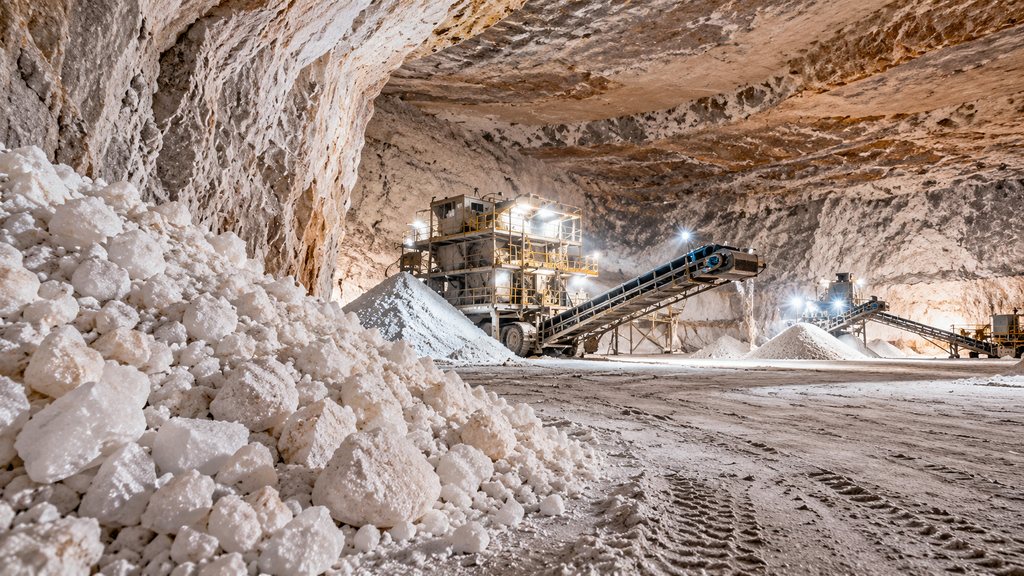
Rock salt deposits are salt accumulations formed over long geological periods, found underground or, in some regions, close to the surface.
Depending on the geology of the region, the salt in these deposits can vary in thickness and properties.
Rock salt can be extracted by mining. The method used depends on the depth and structure of the deposit and on operating conditions.
Depending on its intended use, the extracted rock salt may be crushed, screened or put through further processing.
Natural rock salt can look white, grey or have various colour tones. However, colour alone is not an indicator of purity, quality or suitability for food.
Depending on suitable product properties, rock salt can be used for road maintenance, industrial applications and other salt needs. Questions such as suitability for food should be based on the relevant product standard and analysis results.
How Does Rock Salt Form?
In shallow basins that had lost most of their connection to the sea, salt precipitated as the water evaporated and built up thick beds. Over time these beds were covered by layers of clay, sand and rock.
Compressed by the weight of the layers above, the salt became a dense, crystalline rock underground. In some regions salt beds have risen through earth movements and formed salt domes.
How Is Rock Salt Extracted?
In the room-and-pillar method, often used for deep deposits, galleries are opened in the salt bed, pillars are left to support the roof, and the salt is removed by drilling, blasting or cutting machines. The salt is then carried away on conveyors.
At some deposits water is pumped underground to dissolve the salt, which is brought to the surface as brine. This brine can then be evaporated to produce crystalline salt.
Properties of Rock Salt
The main component of rock salt is sodium chloride. Crushed rock salt is usually angular and low in moisture.
Depending on the deposit, it can contain insoluble matter such as clay and anhydrite. The share of insoluble matter is one of the key values that determine which applications the product can be used for.
Differences Between Rock Salt and Sea Salt
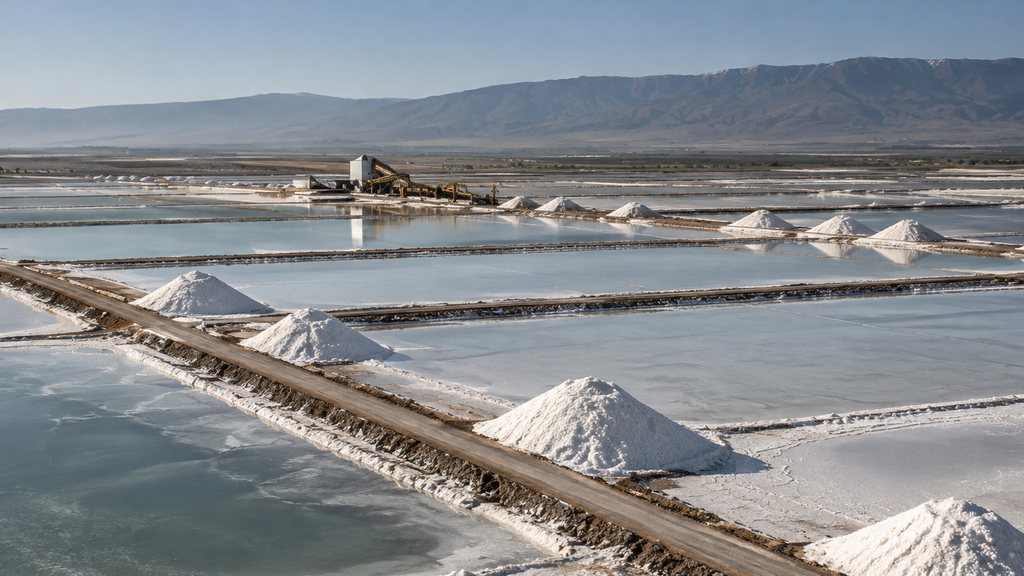
Sea salt is obtained today by evaporating seawater. Rock salt is mined from salt deposits that formed in the distant past.
Because sea salt is harvested in salt pans, it can be moister at first, while rock salt is extracted dry. Which one is suitable depends not on the source but on the grain size, purity and moisture the application requires.
Uses of Rock Salt
- Winter maintenanceCrushed and screened rock salt is widely used against ice on roads and open areas.
- Chemical industrySalt of suitable purity can be used as a raw material in processes that prepare brine.
- Water softeningSalt with a suitable level of insoluble matter can be chosen for regeneration applications.
- Industrial applicationsIt can be used in leather, textiles and other sectors according to process conditions.
Application and Product Selection
Where a salt comes from does not decide on its own which product is right. Grain size, moisture, purity values, packaging and delivery method all need to be considered together for your application. We select the product with you based on your application and share the product’s technical information on request.
Related Product Groups
You can review Güler Tuz products, their applications and packaging options on the pages below.
Frequently asked questions
What is the difference between rock salt and refined salt?
Rock salt describes where the salt comes from, while refined salt describes the process applied. Refined salt can be obtained by dissolving rock salt, removing impurities and recrystallizing it.
Why is rock salt often used as road salt?
Crushed rock salt is dry and angular, which makes it easy to spread with gritting equipment. Even so, grain size and delivery method for road salt should be chosen to suit the application.
Can rock salt be used in food?
Rock salt processed to meet the requirements of food regulations can be used in food. Suitability is assessed using the analysis values and documents of the specific product.
Let’s Find the Right Salt for Your Application
Tell us about your application, the quantity you need and your preferred packaging. We will review suitable product and delivery options with you.